






Dr. Mark Starr, M.D. is a second generation medical doctor who practices integrative functional medicine in Arizona. He has studied and worked with leading endocrinologists such as Dr. Sonkin at the NY Hospital-Cornell Medical Center. In the beginning of chapter 5 of his book “Hypothyroidism/Type 2” he states, “the pervasiveness of Type 2 hypothyroidism has yet to be recognized by mainstream medicine but is already in epidemic proportions.” He explains that even though normal amounts of thyroid hormones and thyroid stimulating hormone (TSH) may be detected in blood tests, the problem lies elsewhere. There is, he says, a resistance to the hormones at a cellular level. Therefore, “blood tests (standard basic ones) do not detect Type 2 hypothyroidism!”
What Doctors Are Discovering About Type 2 Hypothyroidism
Dr. David Brownstein, M.D. practices integrative functional medicine at his very busy clinic in Michigan. On page 40 of his book “Overcoming Thyroid Disorders” he states, “over 30 years ago Dr. Broda Barnes, M.D. wrote about the inadequacies of solely relying upon lab blood tests in his classic book ‘Hypothyroidism – The Unsuspected Illness.'” He writes, “it has been my experience that relying solely on the TSH test will result in under-diagnosing many individuals who are suffering from hypothyroidism – up to 30% of the population.”
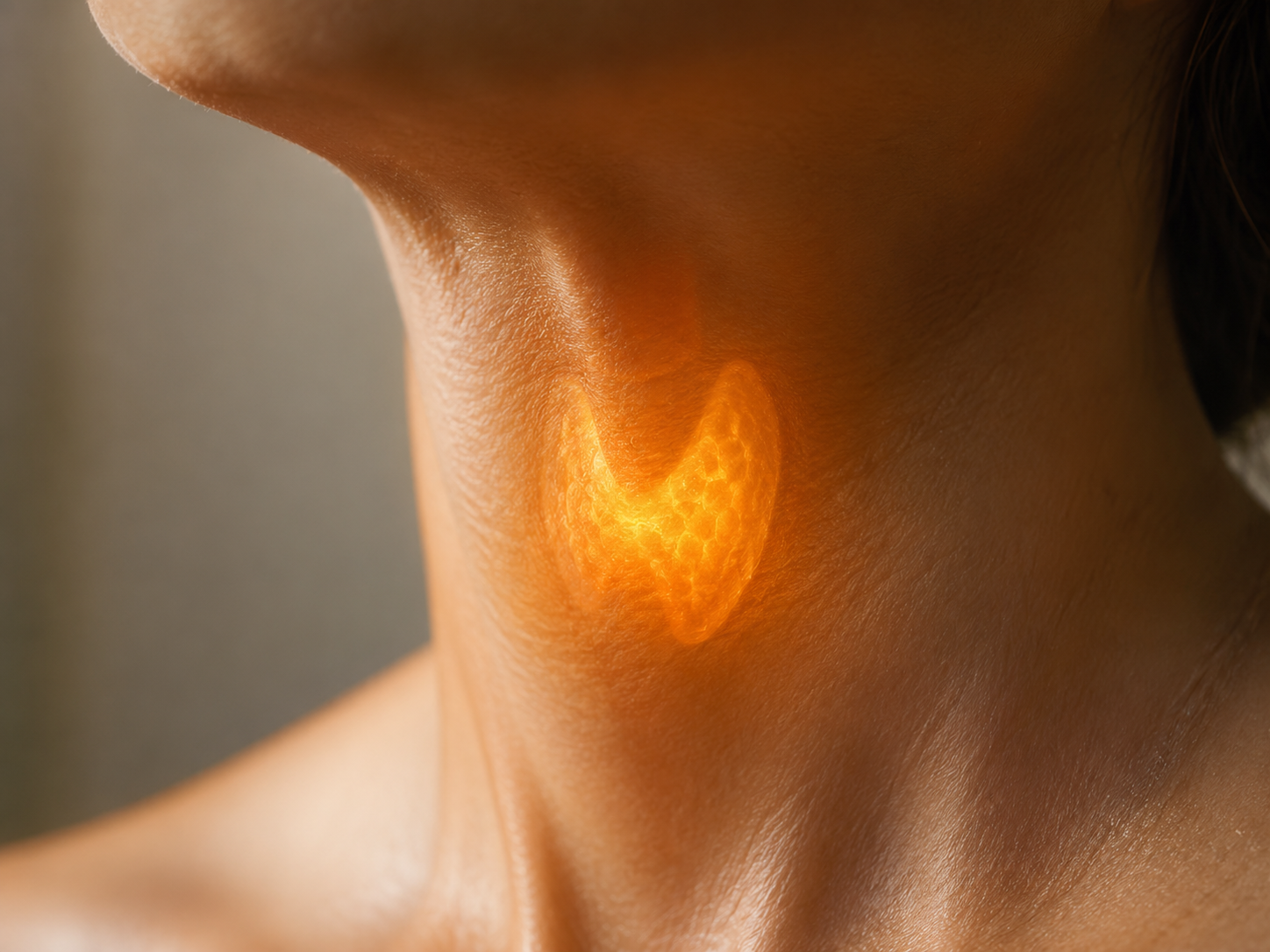
I recently re-read an amazing book titled “Why Do I Still Have Thyroid Symptoms When My Lab Tests Are Normal.” Its author, Dr. Kharrazian, not only practices functional medicine but has taught thousands of other doctors his principles. This book demonstrates that treating thyroid dysfunction as well as other hormone imbalances is actually quite complex. It is clearly not as simple as measuring TSH levels and prescribing Synthroid to bring TSH within normal levels. There isn’t even a consensus on what TSH normal levels should be, as many doctors feel the high should be lowered from 4 to 2, which would immediately increase the number of hypothyroid patients by thousands. As Dr. Starr states, the underlying causes of hypothyroidism lie elsewhere. Dr. Kharrazian strongly feels that a majority of hypothyroid patients have auto-immune issues, sometimes referred to as Hashimoto’s. A primary cause of thyroid auto-immunity is those foods/chemicals that trigger such a reaction in our bodies. In this category the most offensive item is gluten/gliadin from wheat, spelt, rye, and barley. There are others, and in integrative/holistic clinics specialized allergy/food sensitivity tests are taken to determine which foods/chemicals are to be blamed.
The 22 Patterns Behind Low Thyroid Function
Dr. Kharrazian delineates 22 patterns of low thyroid function towards the end of his book. I will review these patterns in some depth in this and the next article in the series on hypothyroidism. Of note, though, is this doctor’s emphasis on auto-immune factors, and not on the world-wide deficiency of iodine in our diets, leading to thyroid hormone dysfunction.
The Sugar, Serotonin and Thyroid Connection
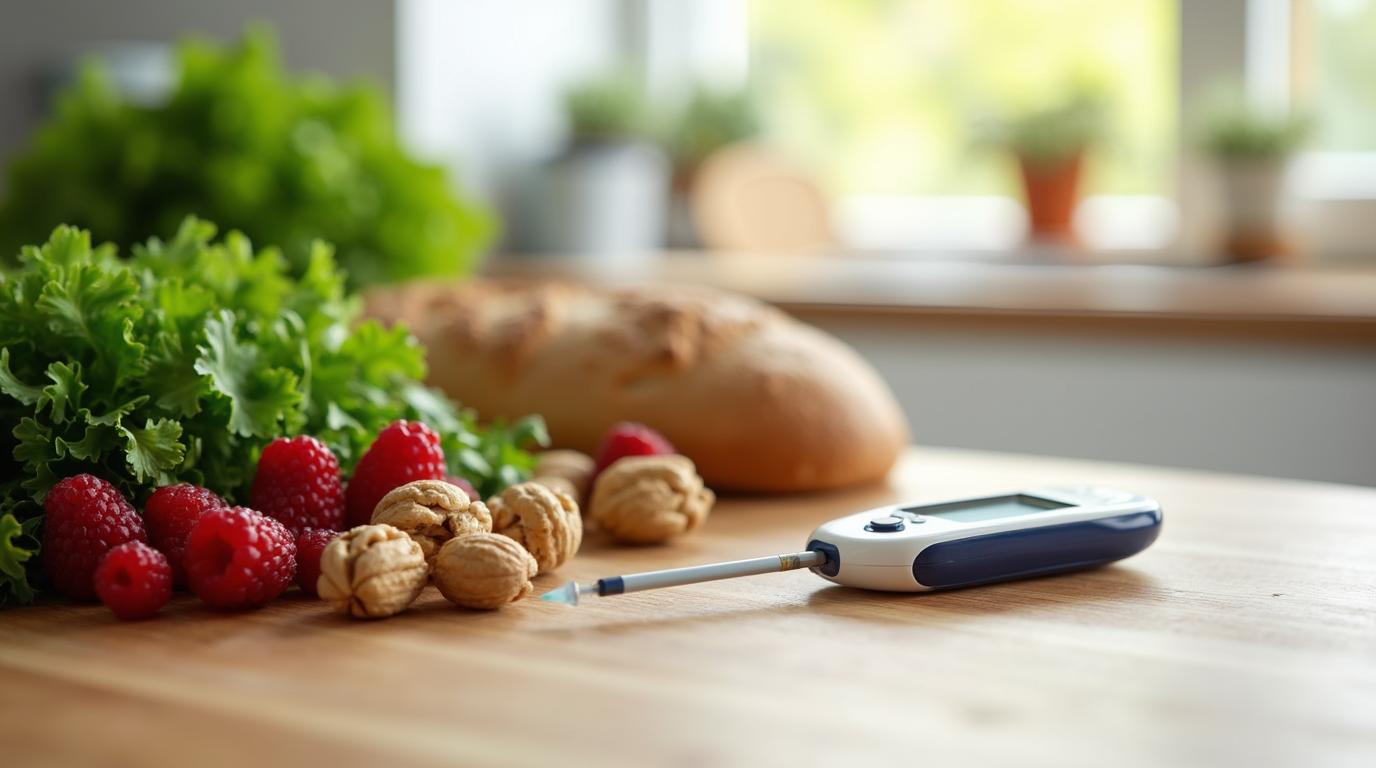
The first two patterns relate the two hormone glands in the brain to their influence on the thyroid gland. The hypothalamus is the part of the brain that directs hormone production via the pituitary gland. Two of the most important neurotransmitters in the brain are serotonin and dopamine. Serotonin is responsible for the feeling of well-being, good mood and happiness. Dopamine is most recognized as deficient in Parkinson’s disease. Much research proves that over-consumption of sugar is the most common cause of both serotonin and dopamine deficiency. Conditions caused by eating too much sugar include hypoglycemia, metabolic syndrome and diabetes. These conditions affect millions of Americans and are currently at epidemic proportions. Connect the dots and you see why hypothyroidism is also epidemic in America and in other countries as well.
More on how sugar affects serotonin, which hampers communication between the brain and thyroid gland, in the next article. I will delineate what natural supplements may boost both serotonin and dopamine. I will continue explaining the other factors causing hypothyroidism such as increased cytokines and increased cortisol production due to “stress.” Stay tuned….
For any health related issues and for a “second opinion” please call Dr. Bekermus at 845 369 1310, or visit his website drbek.com or e-mail drbek@aol.com. Thanks!