









Most chiropractors in general family practice take, or have taken, cases of patients with asthma. Whether it is an exasperated mother bringing in her child, a chronic sufferer who has reached the maximal therapeutic value of medication, or simply a patient interested in an integrative co-management approach, each asthma case brings a set of challenges to the practitioner.
What the Research Shows About Spinal Manipulation
Chiropractic management centers on spinal manipulation (adjustments) and nutritional support. In one study, 31 adult participants with chronic asthma took part in a crossover trial comparing spinal manipulation with a sham manipulation. Outcomes analyzed were forced expiratory volume in the first second (FEV1), forced vital capacity (FVC), daily use of inhalers, patient-rated asthma severity and non-specific bronchial reactivity (n-BR). n-BR improved by 36% and patient-rated asthma severity decreased by 34%. In an anecdotal case history, I developed asthma in my early teens. When I relocated to the Catskill Mountains for summer camp from my “asphalt” home in the city, I spent the first week in the infirmary. I am told my maternal grandmother had lung issues when she was living in Poland before the war. My mother raised me until I was 18 while smoking about a pack of cigarettes a day. I was treated by mainstream allergists with allergy shots, but no mention of food allergies or natural remedies or chiropractic treatments was ever suggested. My asthma was not serious or chronic in those years, though. When I started chiropractic school in Los Angeles at age 21, my asthma worsened. Whether due to the severe smog air pollution or the stress of graduate school, or a combination of both, I was wheezing. My fellow students would adjust my spine and my wheezing would disappear. When after a while the wheezing would return, again an adjustment would help. At this point I investigated what other natural means I could try. I purchased a variety of herbs such as lobelia, thyme, slippery elm, eucalyptus, mullein and ginger. I brewed them up and put them all together in a bottle. I drank this concoction all day, hot or cold. I refrained totally from dairy products, which were clearly mucous-forming and congesting. I basically eliminated white flour as well. I was amazed how well I felt, and how I sustained that recovery. I no longer wheezed. I was also being adjusted by my chiropractic student friends regularly. I was amazed and overjoyed at my discovery of natural healing for asthma. Of course I was equally dismayed at the lack of alternative suggestions from mainstream medicine. It is basic and obvious that avoiding mucous-forming allergic foods is a major means of healing asthma, and yet no mention of food allergies or sensitivities was ever brought forth by any of my mainstream doctors.
A Natural, Whole-Body Approach to Asthma Care
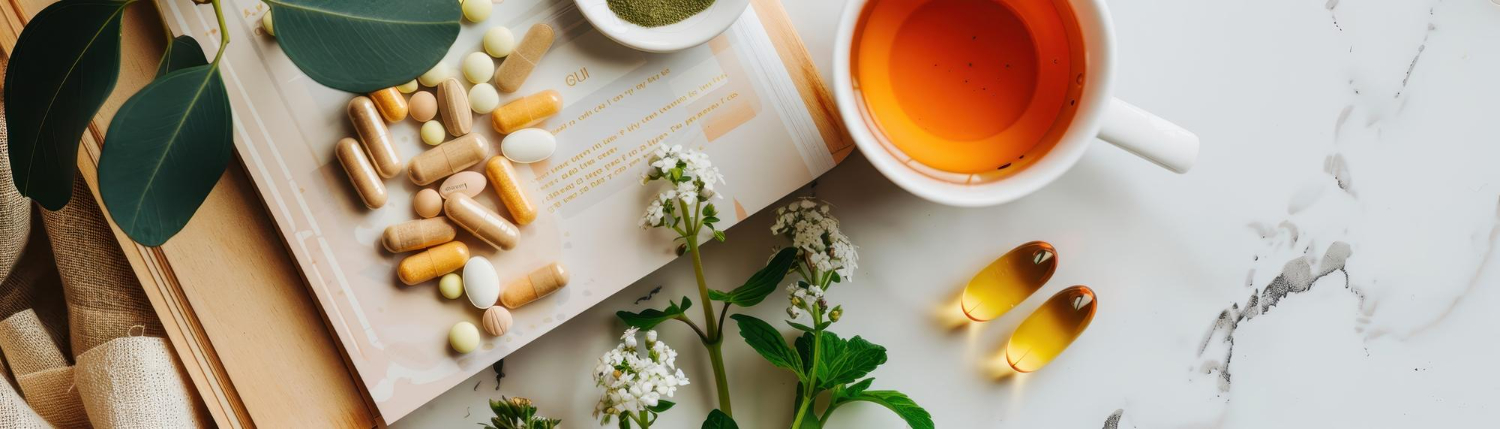
Most of my chiropractor friends and acquaintances have treated patients with asthma. A large majority of the cases were satisfactorily helped. In my own practice, spanning the last 31 years, I have had the privilege of successfully treating patients of all ages with asthma. Along with spinal adjustments and herbs, I recommend avoidance of food allergies and sensitivities. I recommend vitamin C at relatively high dosages, quercetin, magnesium, NAC, B complex, B6, fish oil (omega 3), turmeric and other anti-inflammatory agents. Keeping a dust-free environment, covering mattresses and pillows with dust-mite protective covers and other natural solutions are part of the program. Holistically, dealing with stressors – whether it is a child’s fear of his teacher or an adult with marital issues – supporting adrenal gland function is imperative. I recommend licorice root, ashwagandha, l-theanine, rhodiola, magnolia and other adrenal support substances.
Asthma can be a drain on the quality of life of an individual and of the whole family. Using all available tools for both short-term and long-term management should include all the above natural, non-toxic healing measures.
For more information, consultations, “second opinions,” on any health issue please call me, Dr. Reuven Bekermus, D.C., N.D. at 845 369 1310. Thanks!