
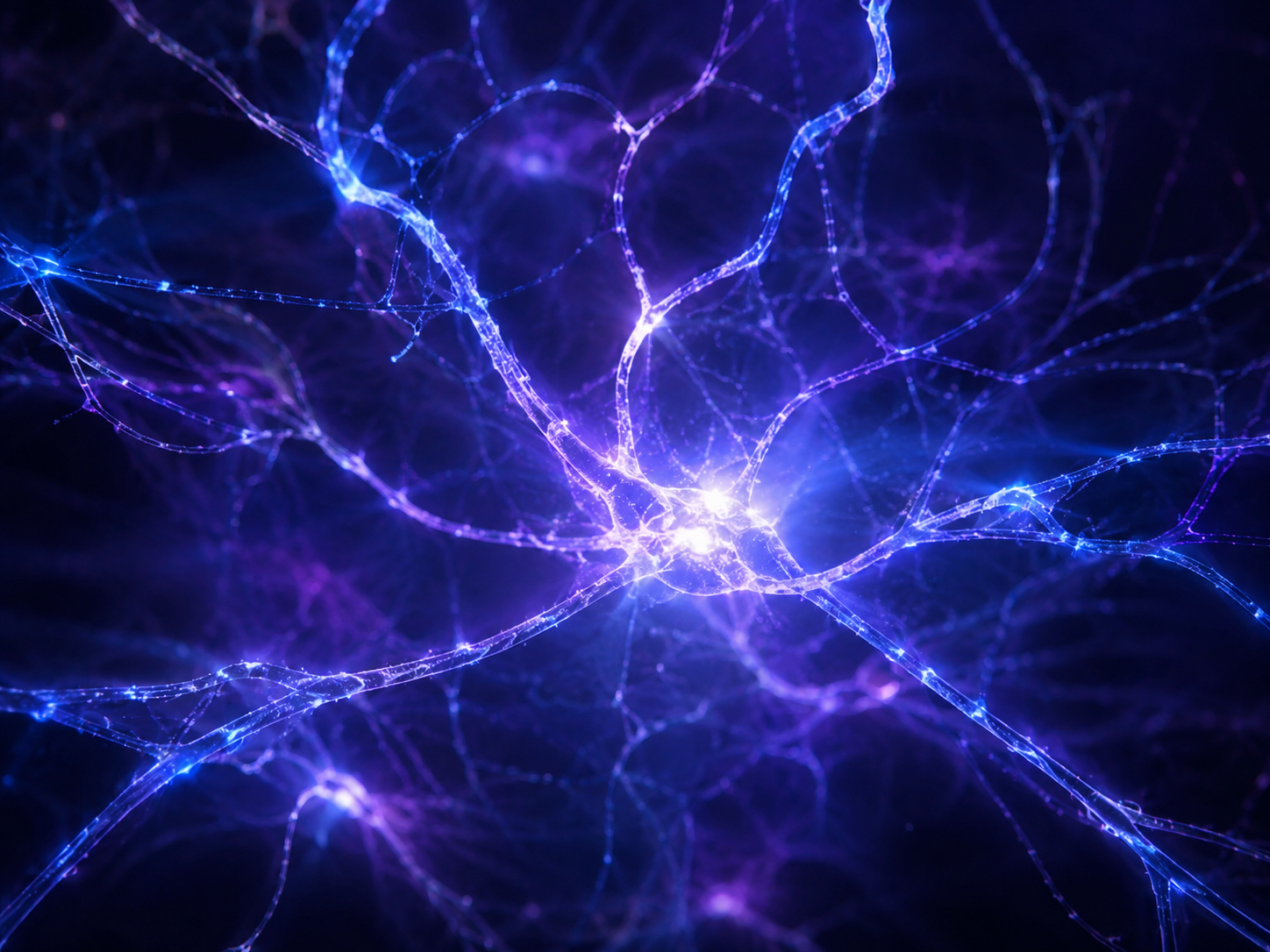







There are numerous chemicals found in our brains called neurotransmitters. Neurons are nerve centers which communicate with one another. Our mood, behavior, emotions, sleep, focus and attention are all controlled by these neurotransmitters. These chemicals are tightly regulated and require an array of vitamins and minerals in order to be manufactured. When imbalanced, and when a person is malnourished, these neurons are unable to communicate. The results of this imbalance may include depression, anxiety/panic, insomnia (sleep disorder), ADD/ADHD, alcoholism, addictions (drugs, sugar, and caffeine), mood swings and personality disorders.
Included in the list of major neurotransmitters are serotonin, dopamine, norepinephrine, epinephrine, GABA, and glutamate.
Serotonin: The Mood and Sleep Chemical
Serotonin is most familiar to us because most common and popular antidepressants are based on affecting serotonin levels in the brain. Serotonin is derived from an amino acid called tryptophan. Tryptophan is found in protein such as warm milk and turkey. It plays a role in mood, libido, appetite, sleep, memory and learning, temperature regulation, vasoconstriction (circulation) and others. Even though there is circulating serotonin in the brain, it is interesting to note that 80% of serotonin is found in the digestive tract. Blood levels of serotonin are typically low in depressed people. There may be a correlation with Alzheimer’s disease and low levels of serotonin. Increasing levels of serotonin is possible naturally by taking supplements. Serotonin’s direct precursor is 5-HTP, and both 5-HTP and tryptophan help increase good mood and aid in anti-anxiety and insomnia. L-theanine, derived from green tea, also increases brain serotonin as well as dopamine and GABA.
Dopamine and the Reward System
Dopamine is a neurotransmitter that increases in the brain with any sensation of pleasure, whether physical, mental or chemical. Dopamine affects voluntary movement, behavior, cognition, sleep and dreaming, mood, attention and learning and memory. A person low in dopamine may experience depression, less motor control, cravings, compulsions, addictions, loss of satisfaction, poor attention and focus and low libido. Decreased dopamine activity is also found in restless leg syndrome and ADHD. The primary illness associated with dopamine imbalance is Parkinson’s disease, where there is a loss of dopamine-secreting cells in the brain. A person with diminished dopamine levels will seek out ways to raise their levels, such as daredevil acts, binge eating, drugs, etc. Dopamine levels can be raised with natural supplementation of l-theanine, l-tyrosine, adequate intake of copper and folate, and involvement in healthy, balanced, pleasurable activities.
Norepinephrine, Epinephrine and the Stress Response
Norepinephrine (along with epinephrine) is a “stress” hormone. It increases heart rate, glucose release and blood supply to the muscles and brain, among other things. It also induces alertness, and plays a role in the reward system. Low levels contribute to conditions such as ADHD, depression, schizophrenia and hypotension (low blood pressure). Loss of norepinephrine-releasing neurons is indicated as part of Alzheimer’s disease. Balanced nutrition, exercise, and stress management are helpful in maintaining proper levels of this neurotransmitter.
Epinephrine, also known as adrenaline, is produced both in the brain and the adrenal glands. It is secreted into the blood stream when one has a scare or otherwise stressful experience. It is known as the “fight or flight” hormone (and neurotransmitter). It increases blood sugar levels and fatty acids when extra energy is needed. States of anxiety, stress, and worry, especially chronically, increase epinephrine levels. When this chemical and cortisol are called for frequently, the body becomes fatigued and imbalanced. A result is that even small stresses are perceived as large ones. This “catch-22” then leads to further breakdown and exhaustion and a weakened immune system. Again, exercise, stress reduction, yoga, and adrenal-supporting supplements are helpful.
GABA: Your Brain’s Natural Calm-Down Switch
GABA is the main inhibitory neurotransmitter in the central nervous system. In other words, it calms down excitable brain activity. This is especially useful for those who can’t fall asleep. GABA levels are reduced by up to 30% in people with insomnia for 6 months or more. It is also reduced in major depression and anxiety disorders. Using glutamate, as in MSG, interferes with GABA.
A Natural Approach to Balancing Brain Chemistry
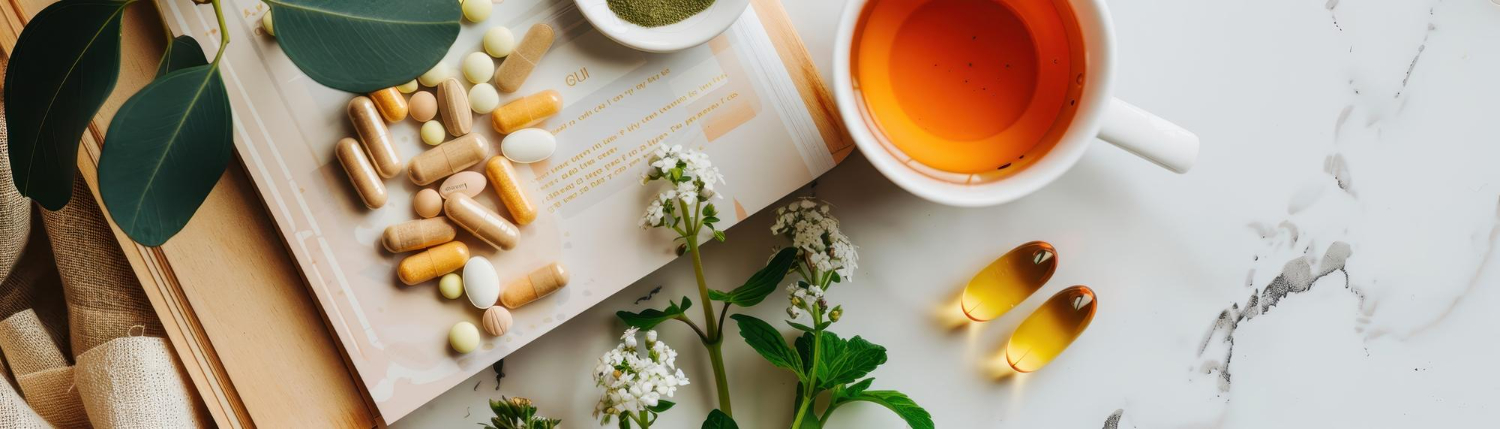
In conclusion, though millions of prescriptions for SSRI meds such as Zoloft and Paxil are written daily for anxiety, depression and sleep disorders, using natural supplements such as 5-HTP, tryptophan, SAMe, theanine and GABA may achieve similar results without side effects and addiction. Balancing the hormone system, especially the adrenal function, with supplements and stress reduction techniques is also very useful.
For a first or second opinion on any health related issue, or to purchase the finest professional supplements, please call Dr. Bekermus at 845 369 1310. Shana Tova!